
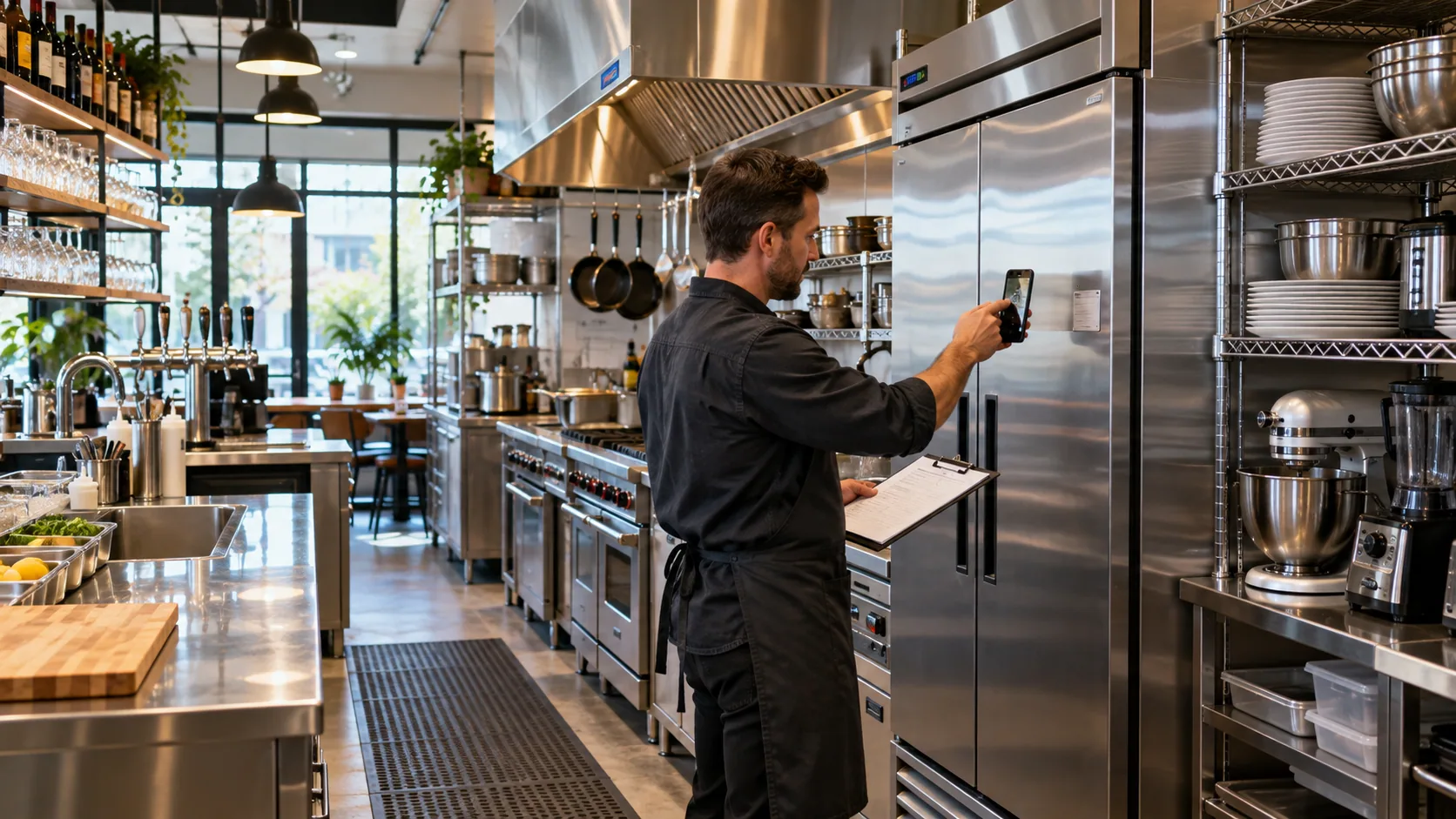
Start after a buildout or equipment change
A new hood, refrigeration system, bar buildout, furniture package, or acquired restaurant can change the property at risk. Update the schedule as these decisions are made, not after opening.
Separate owned equipment, leased or rented equipment, stock, furniture, and permanently installed tenant improvements. Use invoices, lease terms, and a physical walk-through.
Use a room-by-room schedule for kitchen, bar, dining, storage, office, and exterior areas. For each item, identify owner, description, purchase date, invoice value, location, and whether the item is permanently installed, financed, rented, or taken off premises.
A property schedule should be usable by someone who was not present for the buildout. For each material item, identify the description, make or category, location, ownership, acquisition method, invoice or estimate, and replacement rationale. Include fixed improvements separately from movable contents and stock. A room-by-room record gives a clearer starting point than a single total copied forward from an old application.
For each material asset, ask: Who owns it? Where is it installed? What did it cost to acquire and install? Is it movable, rented, financed, or permanently attached? Which lease or invoice supports that answer? A consistently completed record is easier to validate at renewal.
Gather values and responsibility records
Collect equipment lists, invoices, financing or rental agreements, contractor scopes, photographs, and the lease section that assigns responsibility for improvements.
Record where each item is located and whether it moves off premises for catering or events. This creates a more useful fact record than a single total value.
Separate the cost to install a tenant improvement from movable contents. The difference matters when reading the lease, a property form, and a valuation provision. When in doubt, keep the construction scope and invoices with the schedule for a factual follow-up.
Coordinate the property schedule with the lease and financing records. A landlord may own a building component, a tenant may own a removable piece of equipment, and a lender may have an interest in financed equipment. The file should not attempt to resolve a legal dispute, but it should preserve the documents and questions necessary for an insurance and lease review. Flag anything where ownership or responsibility is unclear.
Compare valuation and loss terms
Review coverage sections, limits, valuation method, deductible, causes of loss, coinsurance or reporting provisions, and exclusions. Flood, earthquake, equipment breakdown, spoilage, and utility interruption can require separate wording review.
Do not assume a refrigeration failure or every construction-related loss falls within a property form. The form and endorsements determine the available terms.
Ask whether the proposal uses replacement cost, actual cash value, agreed value, or another valuation method, and whether coinsurance, reporting, or deductibles affect a loss calculation. Those are comparisons of wording and values, not a prediction about payment.
Valuation is not merely a number on a proposal. Ask what costs the value is intended to represent, whether installation and tenant improvements are included, which valuation method is used, and how deductibles, reporting provisions, or coinsurance may affect a covered-loss calculation. Compare the answers against the physical schedule, not only the total shown on a declaration page.
Maintain the schedule
Review it after material purchases, renovations, lease changes, and annual renewal. Retain support for values so the record can be reconciled with the application and policy.
Policy wording, declarations, endorsements, and the actual facts control any coverage determination.
After a material purchase or buildout, update the file before the next renewal. Save photographs and invoices while they are easy to find, and make a note of any equipment that is temporarily stored, newly financed, or used in catering.
Make inventory maintenance part of the operating calendar. After a major purchase, disposal, buildout, lease amendment, or move, update the schedule while invoices and photos are available. Retain a dated PDF or export at each renewal so the business can see which items and values were used in that year’s submission. Policies and endorsements determine coverage, not the schedule alone.
A property-record workflow for restaurant owners
Start with a walk-through and divide the premises into zones: kitchen, bar, dining, storage, office, exterior, and off-site use. Photograph material assets and identify the owner, location, and supporting record. Keep construction draws and equipment invoices with the relevant schedule line.
For tenant improvements, maintain the lease provision, construction scope, contractor documentation, and any question about ownership or repair responsibility. A property list is not a legal conclusion; it is a fact record that helps the business identify what should be discussed with the appropriate advisors.
At valuation review, document how each major total was built. Separate food and beverage stock from equipment, movable contents, and permanently installed improvements. Flag aged values, items replaced during the year, temporarily stored equipment, and assets that travel to events or catering locations.
Reconcile the schedule at least annually and after material changes. Save a dated version with the renewal file so the business can show what information was provided, while remembering that issued policy wording controls any coverage analysis.
Connect equipment values to interruption planning
For every critical kitchen or brewery item, record whether it is owned, leased, financed, or provided by a vendor; where it sits; how it is maintained; and how long a replacement would take. A single contents total can hide the difference between a low-cost movable item and a permanently installed system whose failure stops production. Keep installation invoices and the lease section assigning repair responsibility.
Ask how the offered property, equipment-breakdown, spoilage, and business-income wording treats the actual equipment and cause of loss. A refrigeration failure, power interruption, and fire can have different triggers and exclusions. Document the form and deductible for each scenario instead of assuming one equipment schedule answers all of them.